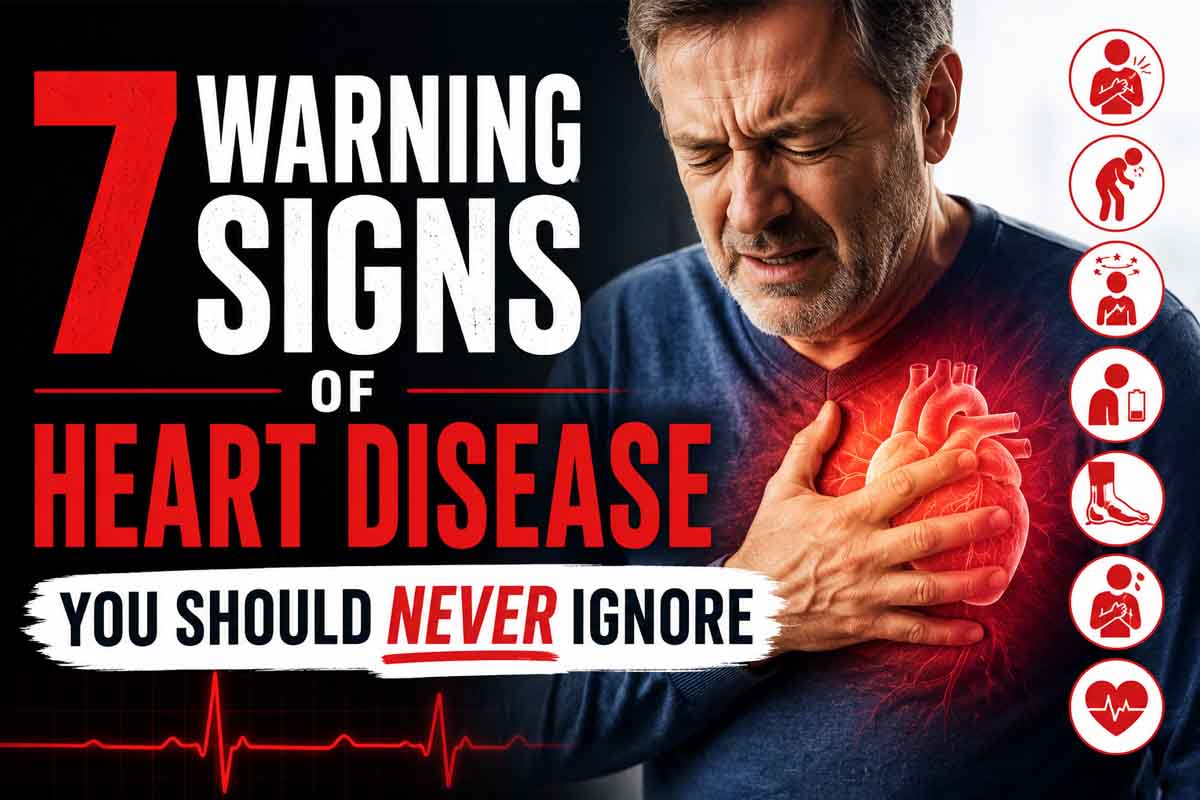
Warning Signs of Heart Disease You Should Never Ignore
Heart disease remains one of the leading causes of death worldwide, yet many people overlook the early symptoms that may indicate a serious heart problem. Recognizing the warning signs of heart disease early can help you seek timely medical attention and prevent life-threatening complications such as heart attacks, heart failure, or stroke. Here are seven warning signs of heart disease that you should never ignore.
1. Chest Pain or Discomfort
Chest pain is one of the most common symptoms of heart disease. It may feel like pressure, tightness, squeezing, fullness, or pain in the center or left side of the chest. While not all chest pain is heart-related, persistent or recurring discomfort should be evaluated by a cardiologist immediately.
2. Shortness of Breath
Difficulty breathing during daily activities or even while resting can be a sign that your heart is not pumping blood efficiently. Shortness of breath may occur before or during a heart attack and is often associated with conditions such as coronary artery disease and heart failure.
3. Unexplained Fatigue
Feeling unusually tired despite getting adequate rest can be an early indicator of heart disease. Many people, especially women, report experiencing extreme fatigue days or weeks before a heart attack. If routine tasks suddenly become exhausting, it is important to consult a healthcare professional.
4. Pain in the Arm, Neck, Jaw, or Back
Heart-related pain does not always stay in the chest. Discomfort may radiate to the shoulders, arms, neck, jaw, or upper back. This symptom is particularly common during a heart attack and should never be ignored, especially if accompanied by chest pain or shortness of breath.
5. Irregular Heartbeat or Palpitations
Occasional heart palpitations are common, but frequent or persistent irregular heartbeats may indicate an underlying cardiac condition. Arrhythmias can increase the risk of stroke, heart failure, and other serious complications if left untreated.
6. Swelling in the Legs, Ankles, or Feet
When the heart cannot pump blood effectively, fluid may accumulate in the lower extremities. Swelling in the legs, ankles, or feet can be a sign of heart failure or poor circulation. If swelling is persistent or worsening, medical evaluation is recommended.
7. Dizziness or Fainting
Feeling lightheaded, dizzy, or experiencing fainting spells may indicate reduced blood flow to the brain due to heart-related issues. Conditions such as arrhythmias, heart valve disorders, or low cardiac output can contribute to these symptoms.
Who Is at Higher Risk of Heart Disease?
Several factors can increase the risk of developing heart disease, including:
- High blood pressure
- High LDL cholesterol
- Physical inactivity
- Diabetes
- Smoking
- Obesity
- Family history of heart disease
- Excessive stress
Regular health checkups and preventive screenings can help identify risk factors before they become serious.
Heart disease often develops gradually, but the body may provide warning signs that should not be ignored. Chest pain, shortness of breath, unexplained fatigue, irregular heartbeat, swelling, dizziness, and pain radiating to other parts of the body are all symptoms that warrant medical attention. Early diagnosis and treatment can significantly improve outcomes and protect your heart health. If you experience any of these warning signs, consult a qualified cardiologist as soon as possible.