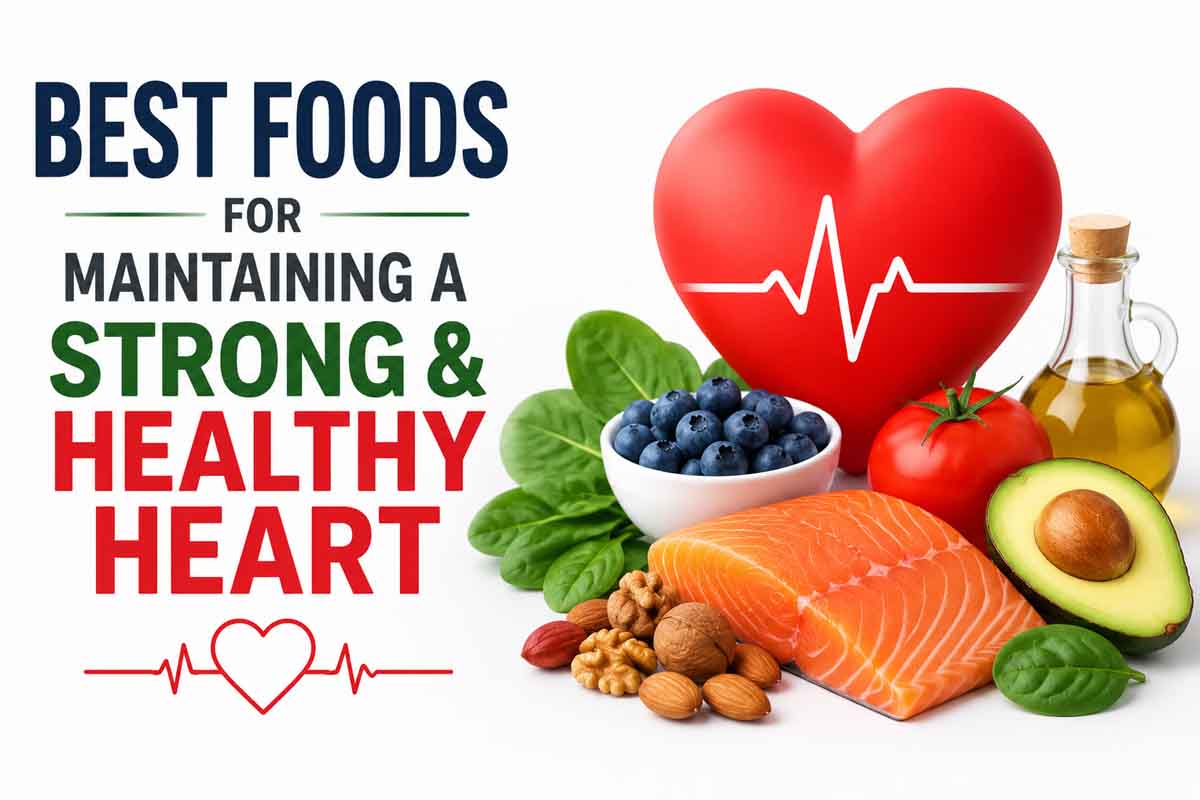
Best Foods for Heart Health: A Complete Guide to a Stronger Heart
A healthy heart is essential for overall well-being, and one of the most effective ways to protect your cardiovascular system is through proper nutrition. The foods you eat play a significant role in managing cholesterol levels, blood pressure, inflammation, and body weight—all of which impact heart health. By incorporating heart-friendly foods into your daily diet, you can reduce the risk of heart disease and improve long-term cardiovascular wellness.
Why Diet Matters for Heart Health
Heart disease is often linked to unhealthy lifestyle habits, including poor dietary choices. Consuming foods high in saturated fats, trans fats, sodium, and added sugars can increase the risk of high cholesterol, hypertension, and obesity. On the other hand, nutrient-rich foods provide essential vitamins, minerals, antioxidants, and healthy fats that support heart function.
1. Fatty Fish
Fatty fish such as salmon, mackerel, sardines, and tuna are rich in omega-3 fatty acids. These healthy fats help reduce inflammation, lower triglyceride levels, and support healthy blood vessel function. Experts recommend eating fatty fish at least twice a week for optimal heart benefits.
2. Leafy Green Vegetables
Spinach, kale, collard greens, and other leafy vegetables are packed with vitamins, minerals, and antioxidants. They are particularly high in potassium, which helps regulate blood pressure and supports healthy heart function.
3. Whole Grains
Whole grains such as oats, brown rice, quinoa, and whole wheat contain fiber that helps lower LDL (bad) cholesterol levels. Regular consumption of whole grains has been associated with a reduced risk of cardiovascular disease.
4. Berries
Blueber ries, strawberries, raspberries, and blackberries are loaded with antioxidants that help protect blood vessels from damage. Their anti-inflammatory properties may contribute to better heart health and reduced cardiovascular risk.
5. Nuts and Seeds
Almonds, walnuts, flaxseeds, and chia seeds provide healthy fats, fiber, and plant-based protein. Walnuts are especially beneficial due to their omega-3 content, which supports healthy cholesterol levels.
6. Avocados
Avocados contain heart-healthy monounsaturated fats that can help reduce LDL cholesterol while maintaining healthy HDL (good) cholesterol levels. They also provide potassium, which supports healthy blood pressure.
7. Beans and Legumes
Lentils, chickpeas, black beans, and kidney beans are excellent sources of fiber and protein. They can help lower cholesterol levels and improve blood sugar control, benefiting overall cardiovascular health.
8. Olive Oil
Extra virgin olive oil is a cornerstone of the Mediterranean diet and is known for its heart-protective properties. It contains healthy fats and antioxidants that help reduce inflammation and support healthy arteries.
Foods to Limit for Better Heart Health
To maintain a healthy heart, it is equally important to reduce the intake of:
- Fried and processed foods
- Sugary beverages
- Excess salt
- Processed meats
- Foods high in trans fats
- Excessive alcohol
A heart-healthy diet can significantly reduce the risk of heart disease and improve overall wellness. Including fatty fish, leafy greens, whole grains, berries, nuts, avocados, beans, and olive oil in your meals can support healthy cholesterol levels, blood pressure, and heart function. Combined with regular exercise and healthy lifestyle habits, these foods can help keep your heart strong for years to come.